Can you get free HGV training in the UK? In some cases, yes. Free or funded HGV training may be available through government Skills Bootcamps, employer-funded training, apprenticeships, Jobcentre Plus support or local funding schemes. However, it is not guaranteed and eligibility depends on your age, location, employment status, licence goals and the provider delivering the course.
This guide explains the main funding routes, what to check before applying, and what to do if you are not eligible for free training.
The Quick Answer For New HGV Learners
Free HGV training may be available, but not everyone qualifies. In England, Skills Bootcamps can include HGV driving and are designed to help adults retrain or upskill in sectors with skills shortages. They can take up to 16 weeks and availability depends on local providers and funding.
If you are unemployed or claiming benefits, you may also be able to ask your Jobcentre Plus Work Coach about training support. If you are already working, some employers may fund your HGV licence as part of a job offer or development plan.
Main HGV Training Funding Options In The UK
Government Funded HGV Skills Bootcamps
Skills Bootcamps are one of the best-known routes for funded HGV training in England. GOV.UK lists Skills Bootcamps as one way to train as an HGV driver, alongside apprenticeships, vocational courses and driving schools.
They may be suitable if you are:
- Aged 19 or over
- Looking to start a career in logistics
- Returning to HGV driving
- Changing career
- Employed and looking to upskill
Availability changes by region, so you should check current local providers before assuming a place is available.
Jobcentre Plus HGV Training Support
If you are unemployed or claiming Universal Credit, ask your Work Coach whether HGV training support is available.
Support is not automatic. Your Work Coach will usually consider whether training is likely to improve your chances of work. GOV.UK has previously stated that many Universal Credit claimants can take full-time training for up to 12 weeks, or up to 16 weeks for a full-time Skills Bootcamp in England.
Employer-Funded HGV Training
Some logistics companies fund HGV training to recruit new drivers or upskill existing staff.
This can be a good option if you are happy to work for that employer after qualifying. Before agreeing, check:
- Whether you must stay for a minimum period
- Whether you repay costs if you leave early
- Which licence category is included
- Whether Initial Driver CPC is covered
- Whether retests are included
HGV Apprenticeships
An apprenticeship can be another route into professional driving. The National Careers Service lists a Large Goods Vehicle Driver C and E Level 2 Intermediate Apprenticeship as one way to become an HGV driver.
This route usually combines paid work with training, making it useful for people who want to earn while they learn.
Local Authority Or Regional Funding
Some councils and local skills programmes support training where there is demand for logistics workers.
This varies throughout the year. If you are based in Essex, it is worth checking local skills and employment support pages as well as national funding routes.
Who Is Most Likely To Qualify For Funded HGV Training?
Eligibility varies, but funded HGV training is often aimed at people who are:
- Aged 19 or over
- Unemployed or looking for work
- Changing career
- Returning to work
- Looking to enter logistics
- Already employed but needing new skills
- Able to meet licence and medical requirements
You will usually still need to meet the legal requirements for HGV driving, including medical fitness and the right licence pathway.
What If You Do Not Qualify For Free HGV Training?
If you are not eligible for free HGV training, you still have options.
You can:
- Compare private HGV training courses
- Ask employers about sponsored training
- Look into payment options
- Start with Cat C HGV training
- Consider Car to Artic training if you want a direct route to articulated lorries
- Ask a training provider which route best suits your goals
This is where professional advice helps. The cheapest option is not always the best route if it does not match the licence you need.
Which HGV Licence Route Should You Consider?
Your best route depends on your experience and career goals.
Cat C HGV Training
Cat C training is commonly used by learners who want to drive rigid lorries. It is often the first step into professional HGV driving.
Cat C+E Training
Cat C+E training, also known as Class 1 or artic training, allows qualified drivers to progress to articulated vehicles.
Car To Artic Training
Car to Artic training can suit learners who want a more direct route from a car licence towards articulated lorry driving, subject to eligibility and licence requirements.
Initial Driver CPC
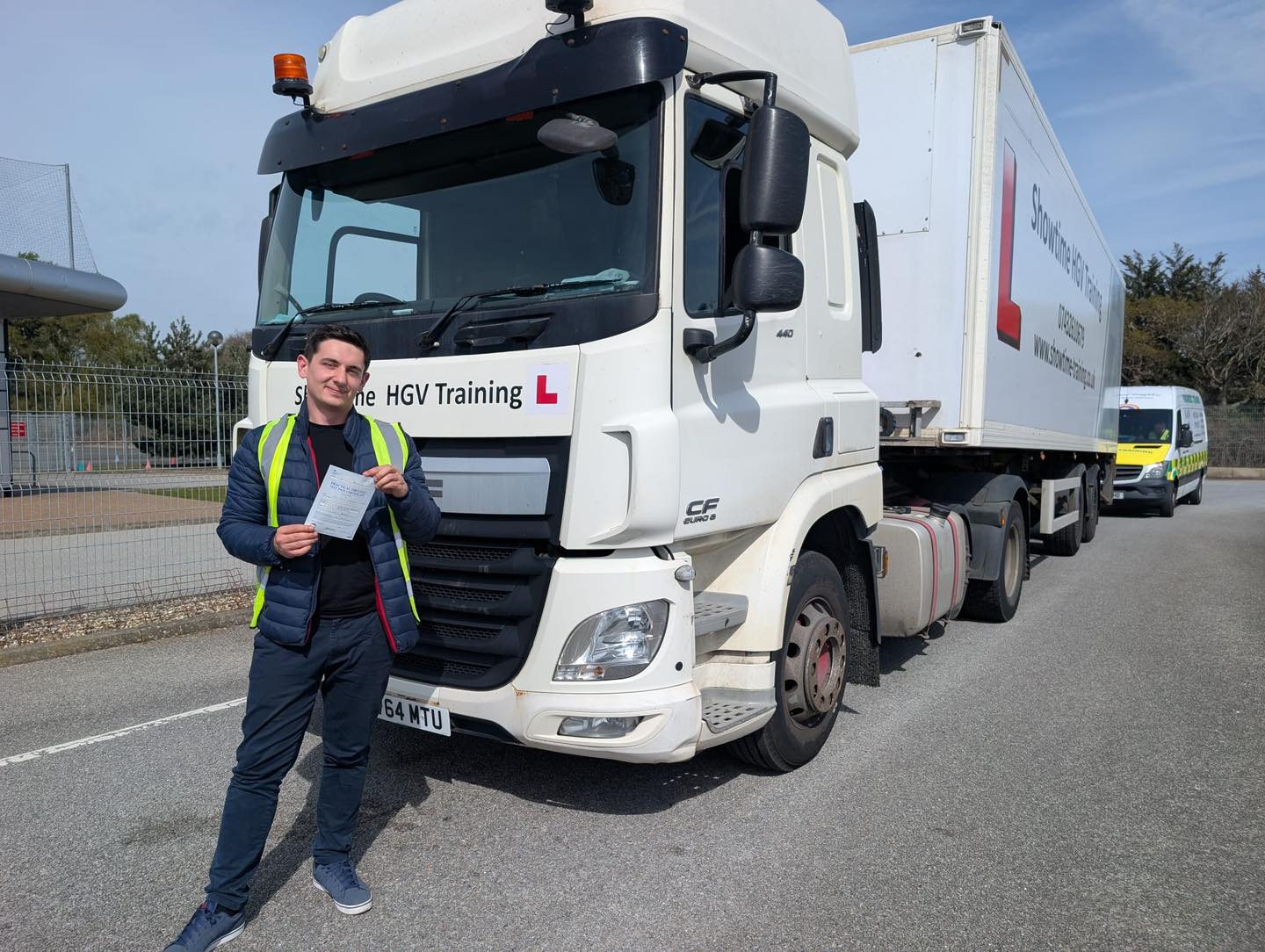
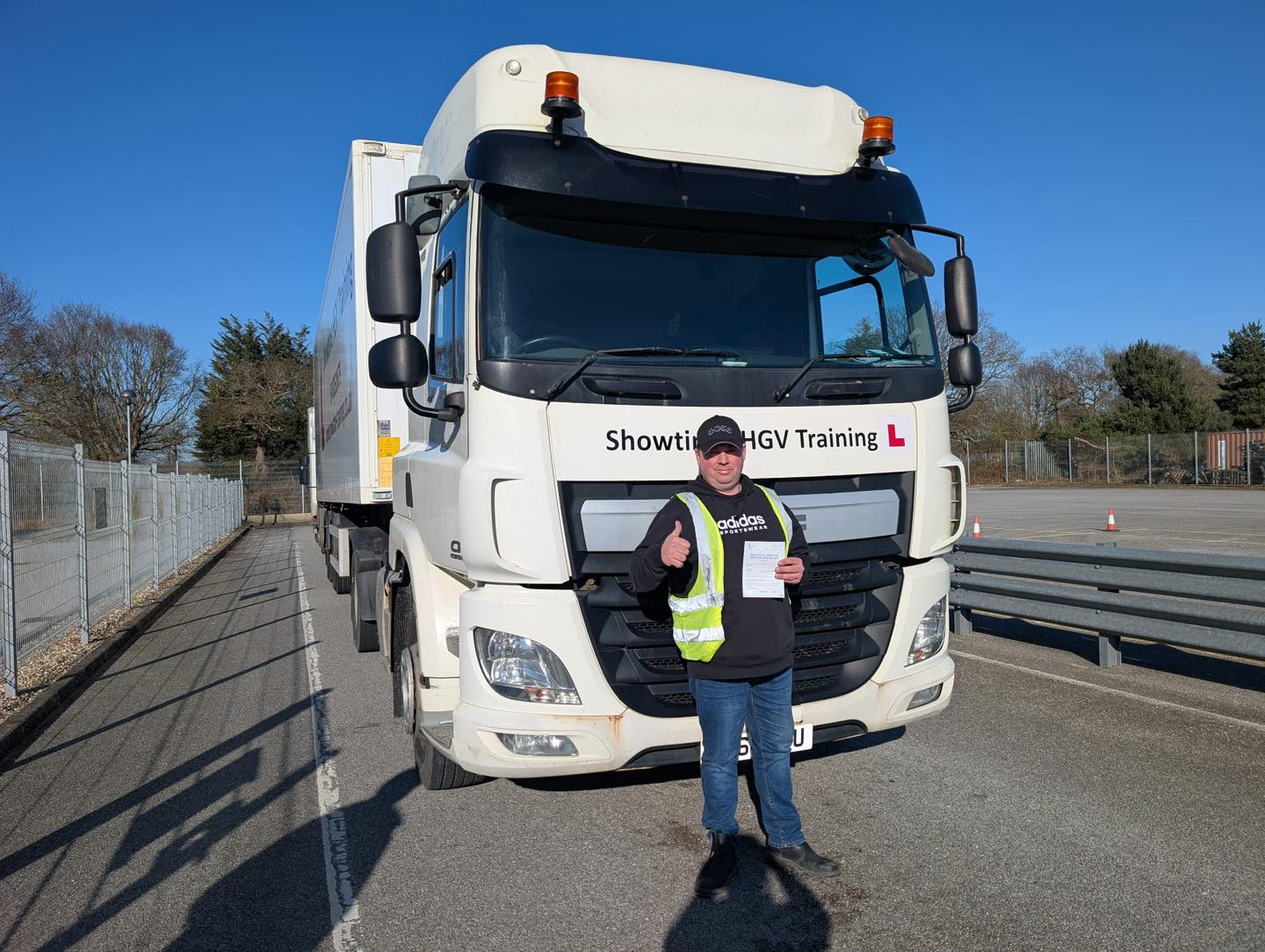
If you want to drive HGVs professionally, you will usually need the Driver CPC. Showtime HGV Training provides Initial Driver CPC training, but not periodic CPC renewal.
FAQs
Need Advice On Your HGV Training Options in Essex?
Free HGV training can be a helpful route into the industry, but it is not available to everyone. The best next step is to check your eligibility, compare the available routes, and understand exactly what each option includes before you apply.
Showtime HGV Training supports learners across Chelmsford, Witham, Braintree, Maldon, Colchester and wider Essex with Cat C HGV training, Car to Artic training, Cat C+E upgrades and Initial Driver CPC.
If you are not sure which route is right for you, speak to the team for straightforward guidance on your training options.